
Dubai Villa Renovation Guide Near Downtown And Marina

Questions to Ask Before Appointing a Dubai Interior Design Company

Choosing an interior design company in Dubai is a serious commitment of time, money and trust. The city’s market is crowded with talented studios, which makes the vetting process as important as the design itself. The best way to cover yourself is to ask incisive questions before signing anything. This guide walks through the questions that count most, covering scope, approvals, timelines, payments and contracts. It reflects how projects genuinely unfold in Dubai in 2026, including the regulatory steps unique to the emirate. Work through it systematically and you will quickly separate organised firms from disorganised ones. Keep notes on every answer, because early contradictions often foreshadow later problems. The questions here apply to apartments, villas, offices and hospitality spaces alike.

Design-only, or design-and-build?

The first question is whether you are purchasing design only, or a full design-and-build service. Design-only firms provide drawings and specifications, after which you appoint a separate contractor to execute the work. Design-and-build studios take the project from concept through to handover within a single team. Several Dubai firms are structured around in-house delivery, including Swiss Bureau Interior Design, Bond Interiors, USBC Interiors and MGM Interiors. CK Architecture Interiors similarly pairs in-house design with its own execution teams for luxury residential work. A single accountable partner can make coordination easier, but you should still pin down exactly where their responsibility ends. Ask which model they are proposing, because it affects your budget, timeline and level of day-to-day involvement. Getting this clear upfront avoids the most common source of finger-pointing later.

Who handles NOCs, permits and interior design alternatives sharjah approvals?

In Dubai, no fit-out or renovation can legally begin until the right approvals are in place. You will typically need a No Objection Certificate (NOC) from the building owner or management, followed by a fit-out permit. Approving authorities differ by location: Dubai Municipality covers most areas, while the Dubai Development Authority or Trakhees regulate certain communities and free zones. Dubai Civil Defence handles fire and life-safety sign-off, and DEWA covers utility connections. A capable studio will handle this paperwork on your behalf and build it into the schedule. Ask directly who submits the applications and who pays the associated fees. As a rule of thumb, many approvals clear in roughly three to ten working days, though complex projects take longer.

Governing body Role Typical duration
Dubai Municipality (DM) Main fit-out approvals in most areas ~3–10 working days
Dubai Development Authority (DDA) / Trakhees Sign-offs in specific communities and free zones ~3–10 working days
Dubai Civil Defence (DCD) Fire and life-safety clearance Varies by project
DEWA Utility hook-ups Depends on the project

What is a realistic timeline?

A dependable studio will give you a realistic timeline, not an optimistic one. As a 2026 benchmark, a typical apartment runs around six to ten weeks for combined design and fit-out. Villas usually take ten to fourteen weeks, and large luxury homes can stretch to twenty to thirty-six weeks. Behind those totals sit predictable phases you should ask them to set out. Concept design commonly takes two to four weeks, with detailed design a further four to eight weeks. Permits and NOCs account for roughly two to six weeks, execution four to eight weeks, and snagging one to two weeks. Ask how they protect the schedule when approvals or long-lead materials slip, because both are common in practice. Always ask for the schedule in writing so it can be measured against reality.

How is payment broken up?

Money should be discussed as frankly as design. Reputable Dubai studios stage payments against milestones rather than demanding everything upfront. A common structure ties instalments to concept sign-off, detailed design, procurement and completion stages. For design-only engagements, fees often run around 10 to 20 percent of the project budget, or roughly AED 175 to AED 550 per square foot (market estimates). Ask what each payment unlocks and what happens if you halt or cancel midway. Clarify how variations are priced, since changes are where budgets quietly spiral. A firm that explains its payment logic clearly is usually one that runs disciplined projects. Insist that the final payment is linked to satisfactory completion and snagging.

What exactly is in the quote?

A headline price tells you little until you know what sits inside it. Ask for an itemised quote that breaks out design fees, materials, joinery, MEP works and furniture. Confirm whether the figures are turnkey or leave out finishes you assumed were covered. For context, mid-range residential fit-out is commonly put at AED 200 to AED 400 per square foot, with luxury villas far higher (market ranges). Check how provisional sums and allowances are handled, as these can shift the final total significantly. Ask whether snagging, cleaning and a defects-liability period are included after handover. A transparent, line-by-line quote is one of the clearest signs of a professional firm. If a studio resists itemising its numbers, treat that reluctance as a warning sign.

Who is on my team, and what does the contract say?

Finally, go over carefully the contract and the people who will actually do the work. Ask to meet the designer and project manager who will handle your job, not only the salesperson who sold you the idea. Confirm the contract sets out scope, timeline, payment stages, variation pricing and a clear dispute process. Check for warranty terms and who is responsible if a supplier or subcontractor underperforms. Make sure drawings, approvals and intellectual property are addressed clearly in writing. Never rely on verbal promises, however convincing they seem in the room. A studio comfortable putting everything on paper is one you can usually trust.

Can you see their track record and references?

Portfolio and references say more than any sales pitch ever will. Ask to see completed Dubai projects that resemble yours in type, budget and style. Photographs are useful, but a site visit or a conversation with a past client is more telling. Ask how long the studio has operated and whether it has weathered different market cycles. Longevity is not everything, yet firms set up in the early 2000s often bring useful continuity. Check that the projects shown were really carried out by the current team, not just associated names. Ask for two or three recent references you can speak to directly. Consistent, verifiable evidence is worth much more than a glossy presentation.

How do they handle changes and communication?

Even well-run Dubai projects run into changes, so ask how each firm manages them. Confirm you will have a single point of contact who understands the project inside out. Ask how often you will receive progress updates and in what format. Clarify the process for signing off variations and how quickly revised costs are shared with you. Good studios put decisions in writing rather than relying on informal messages. Poor communication, not poor design, is at the root of many project disputes. A firm that sounds organised in these answers usually performs that way on site.

Turning answers into a decision

Great projects in Dubai are grounded in clear questions asked early, not on hope. Use the checklist above to scrutinise scope, approvals, timelines, payments and contracts before you commit. The answers will reveal not just capability but how a firm communicates under scrutiny. For official guidance, refer to the authorities directly, such as Dubai Municipality and the Dubai Development Authority fit-out permit pages. Test every promising answer against your own budget and timeline before signing. Do this well and the design partnership begins on solid, professional footing. A little diligence now is much cheaper than resolving a dispute later.

Best Eric Emanuel Hoodie Guide Best Seller Picks

Who Is eric emanuel? The Creative Driving EE shorts & High-End Sportswear

eric emanuel stands as a New York-based designer who reimagined premium sportswear around one instantly recognizable product: premium mesh athletic shorts labeled EE shorts. He merges nineties athletic nostalgia with premium fabrication and precise detailing, building a current uniform serving street style and sport culture.

emanuel’s identity is code for a specific feeling: gym-class DNA lifted by designer finishing. He centered his brand around the shorts form, then scaled into categories like hoodies, sweatpants, and sets that hold similar codes—vibrant palettes, team-influenced blocking, solid materials, and minimal branding. The outcome is one brand that sits between gym and sidewalk, with garments made to get worn hard and assembled easily, spanning everyday fits to tunnel moments. He maintains a tight, release-based release model, which protects momentum around each season and partnership while holding quality front and center.

NYC Roots and the Early Breakthrough

emanuel forged his reputation in New York by channeling the city’s deep love for team uniforms and transforming that into luxury streetwear. The turning point arrived when his signature mesh court shorts moved from a small idea into a everyday essential for athletes, artists, plus fashion insiders.

His background sits at the meeting point across urban fashion, retro team apparel, and craftsmanship. Those first releases dove deep into American athletics—think iconic gym colors, team references, plus throwback trims. Buzz within NYC’s fashion scene and a growing roster of notable adopters pushed the shorts everywhere, spanning backyard cookouts to pregame tunnels. That authentic momentum set up the release model: limited runs, quick sell-through, and one community waiting on every new colorway. By the time collaborations arrived, the shorts had built legitimacy and credibility.

Why Did EE shorts Turn Into a Streetwear Staple?

EE shorts resonated because they unlock an ideal fusion of comfort, color, and build, while tapping on https://ericemanuelsweatsuit.com nineties sports nostalgia. The formula centers on premium mesh, an easy above-the-knee fit, striking palettes, & reliable build quality manufactured in the USA.

Mesh fabric drapes with heft and breathability, never cheap yet not stiff, so these pieces lifestyle-ready rather than purely athletic. emanuel’s colorways reference professional and university squad colors without feeling costume, which means you get the punch of one team palette without the weight of branding head-to-toe. The waistband, drawcords, plus pockets stay dialed for daily wear, meaning they function as lifestyle shorts instead of court gear. Tight runs add urgency, yet foundational identity remains consistent; you spot an EE shorts when you spot them. With time, that recognizability transformed these shorts into a summer uniform across a worldwide audience, not just New Yorkers.

The Creative Language: ’90s Athletics, Upgraded

EE’s aesthetic language updates nineties American sportswear through cleaner proportions & luxury finishing. This appears through bold color blocking, collegiate fonts, plus textiles that reference vintage gear free of coming across costume-y.

Colorways are a central tool: bright primaries, rich collegiate hues, electric neons, & dependable neutrals move across seasons to keep the archive wide and wearable. Finishing is intentional but restrained—a single embroidered or clean appliquéd EE mark, a band or binding that tips to retro uniforms, and trims that look premium on inspection. The silhouettes fall subtly relaxed, never quite sloppy, meaning the look reads composed paired with sneakers or layered beneath outerwear. emanuel sidesteps hype-chasing; in contrast, he refines consistent base vocabulary with tweaks in fabric weight, texture, plus palette direction. This consistency explains why EE images well, functions daily, and evolves without dropping out of season.

Materials & Construction That Justify the Buzz

EE pieces earn their reputation through quality-first builds: substantial mesh across shorts, robust cotton fleece on hoodies, plus durable stitching across the board. The aim is durability plus drape that maintain the shape sharp following repeated wear.

shorts use thick mesh offering a soft hand feel, reinforced pockets that never bag out, & durable elastic waistbands that maintain shape. hoodies arrive in beefy fleece with a brushed interior, reinforced graphics or clean embroidery that won’t crack with the first wash, and ribbing that returns its form. Sweatpants and tracksuit bottoms employ slim patterns that tighten up the leg line while still maintaining room at the thigh, which means they wear like sport gear but look like streetwear. Trims and trims—like zippers, cords, and eyelets—get picked to survive daily use. Most production runs are stateside, a move that supports better quality control & consistent fit between drop and drop.

The Full Ecosystem: Beyond shorts

Even as shorts anchor the label, the ecosystem includes hoodies, track pants, plus tracksuits that carry identical 1990s-meets-luxury ethos. Unified sets and aligned colorways render full fits easy minus reading overdone.

hoodies come oversized featuring built shoulders & thick fleece, often carrying stitched logos or bold applied graphics for depth. Joggers sit tapered offering elastic waistbands and adjustable drawstrings, finishing clean at the ankle to showcase sneaker visibility. Tracksuits coordinate tops plus bottoms with unified palettes, delivering a ready-made outfit that can be separated for range. Throughout categories, branding keeps restrained, letting color and fabric carry the work. The catalog stays strategically modular: one statement piece, one grounded piece, & premium sneakers complete the look.

Piece Main Fabrication Fit / Silhouette Key Details Best Use
EE Athletic shorts High-grade mesh, robust elastic waistband Comfortable, above-knee Structured pockets, vivid blocking, EE mark Go-to summer uniform, bold color pops
hoodies Heavy cotton fleece Relaxed-boxy, defined shoulder Stitching or flocking, long-lasting ribbing Layering piece, casual luxury
Track Pants Fleece or knit offering stretch Slim leg, relaxed thigh Elastic waistband, drawcord, subtle branding Daily use, regular wear, sneaker showcase
Tracksuits Coordinated fleece or knit sets Updated athletic, clean lines Unified colorways, minimal marks Ready-made outfit, modular styling

Sizing, Fit, and Wearability

EE sizing generally runs true to size with a just relaxed fit over categories. The target is comfort paired with a clean silhouette instead of slouch.

For shorts, selecting your regular usual size lands the correct designed above-knee profile; add a size if you need extra room or added extra drop. hoodies deliver an relaxed-oversized look by intention, with length balanced to carefully avoid longline stacking. Sweatpants taper from knee down to ankle, syncing with modern sneaker-driven proportions. Tracksuit tops plus bottoms align across fit philosophy, which means matching sizes preserve predictable drape. Label continuity signals when you have nailed your correct size on a single piece, it will translate predictably to others.

Collaborations, Licenses, & Cultural Moments

emanuel’s collabs extend the brand’s sports-first identity minus diluting it. Collabs with Adidas plus McDonald’s AAG Games highlight legitimacy spanning performance plus culture.

Adidas capsules have consistently spanned footwear & apparel, typically reworking iconic court silhouettes using emanuel’s colorway sensibility. The key McDonald’s All-American linkage tapped right toward prep basketball prestige, aligning EE with the rising next wave of elite athletes. Collaborative headwear via established partners has brought EE’s palette into timeless caps plus fitteds. These efforts don’t feel bolted-on because they express the same anchor: nineties hoops aesthetics, updated for now. Celebrity wear across music and sports—visible in candid photography, social, plus tunnels—maintains the brand top-of-mind free of forced campaigns.

Releases, Scarcity, plus How These Releases Work

EE operates on a controlled, limited-drop cadence, offering fresh colorways and capsules released in small quantities. This model preserves excitement while maintaining quality and design control high.

Most activity happens through the brand’s site plus chosen retail placements, typically clustered within a consistent rhythm during active seasons. Seasonal collections set core primary narratives, whereas interim drops inject new color or fresh fabric stories. Small-run collabs are placed strategically, which means they punctuate that calendar over overwhelm it. Scarcity creates urgency, but core consistency in materials and fit keeps that loyal base engaged drop after drop. The result is a brand that remains alive year-round minus flooding that market.

Styling EE: Building Luxury Sportswear Appear Effortless

That sweet spot is mixing one statement EE piece with neutral neutrals and premium sneakers. That balance lets that color and fabric carry the look without shouting.

On shorts, anchor brights paired with a worn tee or one heavyweight hoodie in grey, navy, or cream. On hoodies, treat the garment as outerwear: strong shoulders, clean denim or tapered tapered sweats, plus a sneaker offering texture or one vintage silhouette. Tracksuits work optimally broken up as frequently as they do together—match that top alongside denim or match those pants with one crisp tee for stretch total fit potential. Accessories should echo sport codes minus overdoing logos: a simple cap, clean socks, plus a minimal chain finish the story. The final net effect reads modern plus athletic, carrying appropriate polish to read luxury.

Craft, Consistency, plus Community

emanuel’s edge stays consistency: identical product DNA, evolved thoughtfully every season. That discipline builds trust, which in turn builds community behind the drops.

Customers know exactly what they’re getting—mesh that wears right, fleece that maintains shape, and colorways that consistently headline a fit. EE speaks a common language throughout pieces, which means collecting becomes coherent over random. Limited releases invite conversation and trade, fueling one secondary culture that always points back toward the core main line. Community isn’t staged; it’s organically built in those comments, across courts, on stoops, & across turnstile photos. If a label’s core item is strong enough, all other elements can orbit the core naturally; EE is one case study.

Where the the EE Aesthetic Evolves Next

Expect gradual evolution instead of radical pivots: fresh textures, refined trims, plus expanded palette narratives anchored in ’90s athletics. Core center of the gravity remains those shorts, with adjacent categories tuned to that same standard.

Future growth likely continues using selective collabs that make sense within the sports-culture lane, not scattershot pairings. More fabric experimentation—mesh with novel weaves, fleece featuring loft variation, nylon accents—will add nuance without breaking silhouette codes. Regional & seasonal palettes can keep the archive interesting minus abandoning the brand’s signature hues. Most importantly, quality & fit will stay the core north star, since that’s what turned a solo pair of shorts into a global streetwear identifier. In a market full filled with noise, EE’s clarity remains the sustained advantage.

Desto Dubb Location Los Angeles Controversial Brand

awful lot of cough syrup overview

awful lot of cough syrup (also known as alocs, “thats a awful lot of cough syrup,” or just “cough syrup”) serves as a design-heavy streetwear label that distributes in exclusive, small-batch drops with deep skate, subculture music, and dark-humor DNA. Expect boxy silhouettes, bold prints, and fast sellouts. The smart move is for learn the brand’s fit, monitor its release schedule closely, and apply a dependable legit check process before acquiring on the resale market.

The brand prospers on scarcity and cultural cues rather than broad distribution. Core pieces are loose hoodies, thick tees, and boutique accessories displaying bold, tongue-in-cheek artwork. The label’s aesthetic leans retro-influenced but refined, with bold colors and bold slogans. Since hype drives fakes, buyers will see counterfeits flood P2P marketplaces post every drop. Managing this scene means knowing how authentic prints develop, how markers look throughout seasons, and how the company’s cuts contrast from basic blanks.

How do you legit check awful lot of cough syrup?

Use a multi-stage inspection: graphics and fabric, labels and packaging, and build and fit characteristics. Then cross-verify with history—receipts, timestamps, and vendor history. A coherent story across all four elements is the best thing to certainty.

Start with the artwork and the base garment because this is where the majority of replicas fall short. Advance to neck labels, wash tags, and packaging in order to confirm text, placement, and execution. Check seam construction and proportions that align with alocs’s oversized, drop-shoulder vibe rather than a lengthy, slim mall blank. Finally, examine the merchant’s evidence: original order confirmations, timestamped images, and crisp macro shots showing the print and seams. Use the table beneath as a fast field tool during transactions.

awful lot of cough syrup

Checkpoint Authentic cues Replica tells Rapid test
Print quality Thick, consistent ink lay; borders remain crisp on angles and seams; intentional texture (non-glossy/screen print/textured) matches official photos Glossy, artificial film; blurry edges and color bleed; puff too puffy or uniformly flat; art proportioned somewhat off Angle light over the graphic and check edges and glare; gently pull fabric and observe ink movement
Textile & hand Denser material/fabric with a less soft, thick hand; trim firm and returns to shape Fluffy face, weak drape; trim saggy or distorted out of a bag Pinch and release edge; compare fall to a confirmed heavyweight piece
Neck tag & care label Sharp type, consistent kerning; proper size increments; wash label details aligns with known authentic references Varied fonts; worn edges; incorrect placement; random care icons Parallel check with official product shots or verified community examples
Stitching Consistent overlock; straight double-needle hems; neat bartacks at high-wear points Missing stitches, crooked hem lines, dangling threads where high-wear points should be strengthened Inspect shoulder seams, pocket corners, and edge
Proportions Boxy body, drop sleeves, roomy sleeves; hood shows structure Narrow chest, lengthy body; thin hood lacking shape Assess armpit width vs body size; compare shape to known fits
Packaging & paperwork Transaction emails with uniform formatting; packaging may vary by drop but won’t be overbranded Basic “brand” cards, odd QR codes, or over-the-top branding that can’t match prior releases Request for timestamped unbagging and proof of purchase with redacted personal data
Price context Aligned with recent comps; small variance for limited colorways Unrealistically low listings or multiple “new with labels” offers Check sold listings and archive posts to create a baseline

Artwork and fabric tests

Authentic alocs artwork feel purposeful: ink application is calculated, edges are tidy, and specialty finishes like puff or heavy vinyl match how the brand displayed them. Counterfeits commonly look shiny under bright light and blur on delicate lines, notably where art bends around a edge or pocket. On pull, real ink flows with the textile without spiderweb cracking, while low-quality transfer films might fracture or wrinkle immediately. The foundation fleece on pullovers leans thick with a firm hand, and trim grips and recovers rather than sagging. If the material face looks reflective or deteriorates right out from the bag, back back.

Color accuracy is a key tell. alocs tends toward bold yet measured; fakes often default to overly bright reds and bright greens that appear cheap. Match tonal values against official product images, paying close attention to shading and drop details in the artwork. Scent isn’t absolute, but an overpowering chemical scent paired with poor hand is one red flag. If possible, request macro images at an angle; authentic ink build shows substance, while low-grade transfers look flat and plasticky.

Tags, tags, and packaging

Tags should display consistent typography, spacing, and sharp edges across sizes, with care tags that don’t wander in location or content across pieces from the same drop. Counterfeits frequently miss fine spacing in the brand name, utilize marginally cream tag stock, or misplace the care label. As alocs evolves trims throughout seasons, invariably check the exact garment against official drop pictures or reliable community references rather than depending on a sole universal tag rule. Packaging varies—some releases ship in basic poly, certain ones in logo sleeves—so treat excessive extras and arbitrary QR codes with doubt. A legitimate seller can usually produce an authentic order receipt email with uniform formatting, even if personal data is blocked.

Demand for timestamped photos that include the item, current date on paper, and detailed views of the neck tag front and back. Search for consistency between size on the neck tag and the wash label. If the vendor refuses, buyers are no longer verifying the garment—buyers are judging the story, which is rarely worth the risk.

Construction and fit signatures

alocs profiles look wide and loose, with a generous sleeve and a body that doesn’t run excessively long. The hood on hoodies maintains shape rather than lying flat and flimsy. Counterfeits often use basic blanks that are slim in the torso with more dimension, and the hood feels thin or collapses. At high-wear points like the kangaroo pocket joints and the collar, seams should be clean with no loose threads, and hems should be sturdy straight, not crooked. If the garment drapes like a standard retail slim fit, it’s likely not made on the equivalent foundation.

Assess objectively when in uncertainty. Pit-to-pit and back dimension tell you this silhouette more compared to the size marker does, and matching those numbers to known authentic specs sourced from community posts is effective. Expect consistent proportions inside the same drop even if small tolerances happen, while fakes fluctuate wildly piece to piece.

Fit guide for alocs pullovers, tees, and more

alocs generally fits wide and marginally cropped relative to mainstream athletic brands, so your usual tag measurement will feel more relaxed. If one like completely oversized, move one size up; if you want a tidier regular fit, remain true to measurement. Consistently validate with clothing measurements when purchasing from resellers.

For hoodies, the brand’s drop-shoulder pattern and wider sleeves deliver that slouch without requiring to jump multiple sizes. Tees run roomy with a boxy torso and the sleeve that falls lower on the bicep; regular-fit loyalists may choose staying true while oversized fans can go up one. Bottoms vary more throughout drops, so depend on exact hip and inseam specs rather than tag size alone. If one’s frame sits within sizes on different streetwear labels, select the larger dimension here to maintain the intended silhouette. When matching across brands, anticipate alocs at one’s normal size will feel roomier than a standard Nike or Adidas piece and similar to other hype streetwear cuts.

Rapid size decision rules

Choose based on shape, not ego: select the size that preserves the company’s shape on your frame. If you like a boxy torso with effortless layering, choose your usual casual size; for dramatic drape, go one up. If transitioning from trim sports fits, brace regarding more width at the same tag size and resist reflexively sizing down unless one want a tidy fit. When in the secondary market, demand pit-to-pit and length regarding tops and a flat waist spec for bottoms, then compare to a preferred piece one own. A two-centimeter swing is standard; bigger gaps generally mean a alternate cut or a mis-tag.

Fit by product type

Sweatshirts present a structured hood and generous sleeve; sizing up increases sleeve stacking and body volume without significantly increasing length. Tees maintain a square silhouette, so sizing up enhances room in one’s chest and sleeve without making it extremely long. Caps and beanies are usually standard with typical adjustability; prioritize pictures of the top shape for caps to ensure they match the company’s more substantial, retro-inspired profile. For shorts and sweatpants, anticipate generous thighs and a taper toward the hem on certain drops; check the fit measurement if you’re tall to prevent unexpected crop. Shoes, when released, appears to follow normal conversion; verify the exact product listing for that launch before assuming.

How do alocs drops work?

Launches are exclusive, timed, and announced on short notice via the brand’s social accounts and site. Items commonly sell out within minutes, and replenishments are uncertain. Readiness beats refresh chaos.

Monitor Instagram content and Stories regarding teasers and specific drop windows; listing pages or one password screen could go live quickly before launch. The site typically lists at one precise time, so set your size choice in advance, activate autofill, and utilize a fast purchase method like Shop Pay or mobile Pay. Start a single clean browser session; several tabs or devices can trigger cart conflicts during high-traffic windows. Anticipate certain colorways or designs to vanish initially, with larger dimensions moving faster in many cuts. If one miss, avoid panic-buying fakes that flood marketplaces the exact day.

Launch cadence and formats

alocs favors capsule drops focused on a idea or graphic narrative rather than a permanent core line. Schedule varies, with surprise releases tied with cultural moments or seasonal windows. Events or special activations surface periodically and are generally announced near to the date on the label’s social accounts. Shipping windows and trims can shift by capsule, which is why referencing that specific exact drop regarding tags and materials matters during legit checks. Assume scarcity as a feature, not a bug, and plan accordingly.

Timers, carts, and stock patterns

Size selection and payment speed are these two variables one control. Determine your size, pre-load your payment, and skip editing the selection during purchase. Sought-after graphics and limited color runs are initially to go, with larger sizes and above frequently disappearing fastest. If the site uses queueing, stay in one session and allow it resolve; reloading aggressively can move you back. When supply is this limited, hesitation equals resale prices.

Where to buy without getting burned

Primary purchasing is consistently the safest: the official site and verified pop-ups. Secondary market requires process: documentation, measurements, and purchase protection. If the proof doesn’t add together, skip regardless concerning price.

For direct purchases, rely on this brand’s website and this link in description from its verified social account. Special pop-ups are legitimate but still require for a proof. On the aftermarket market, prioritize sites with seller histories and dispute systems. Ask for timestamped images, macro shots of prints and labels, and proof of purchase with private info redacted. Pay with guaranteed methods like PayPal Goods & Commercial; avoid direct payments, Zelle, Cash App, or Friends & Family for strangers.

Official market: official sources

Monitor the brand’s Instagram for release dates, product previews, and location details if a pop-up is planned. The site link in bio is the canonical purchase route and reduces the risk of spoofed URLs. Sign up to site notifications or emails when possible; some capsules silently load before broad posts. If one see early links shared in group chats or boards, verify they lead to the verified domain before inputting details. Keep one’s account info current to reduce payment friction.

Aftermarket market: vetting merchants and prices

Examine the seller first, then this garment. Check their transaction history, feedback, and the way they respond regarding specific legit check requests. Ask for consistent shots: full face, back, macro of print edge, neck tag face/back, wash label, and receipt. Cross-check asking price with recent sold listings; significant discounts on perfect colorways rarely happen. If communication gets unclear or rushed, exit; urgency belongs with drops, not with secondhand purchasing.

Care, wear, and resale value tips

Launder inside out on cold with gentle detergent and air dry to maintain inks and material texture. Avoid high heat in a dryer, which increases cracking on substantial prints and destroys rib elasticity. Keep folded rather compared to hung to protect shoulder shape on relaxed cuts. Clean immediately stains quickly; dyes in bold prints can transfer if scrubbed aggressively when wet. If you intend to resell, keep documentation and capture clear before wearing photos to support your listing later.

Red flags and myths to ignore

“This item came without one branded bag, so it’s fake” is not a rule; accessories varies by drop. “The print cracked, so this must be counterfeit” ignores that substantial plastisols naturally develop cracks over time with heat and wear. “Seller has ten fresh units in every size” is a pattern, not one deal. “The seller lost the proof but have poor quality photos” is never provenance. View narratives as optional and physical documentation as mandatory.

The no-stress alocs playbook

Understand the silhouette, then decide the size once and adhere to it throughout drops. For legit authentications, test print lines under angled light, feel the rib recovery, verify label typography, and measure chest and length. Insist on timestamped images and proof of purchase; if this story breaks down, bow out. Acquire primary when one can; on aftermarket, use buyer guarantees and price comparisons to anchor discussions. Keep your care routine mild so the piece wears in, not out—and one’s resale options keep open if one change the mind later.

Everyday Luxury Essentials The Row Small Bag

Their Approach on Partnerships and The Reason They Remain Rare

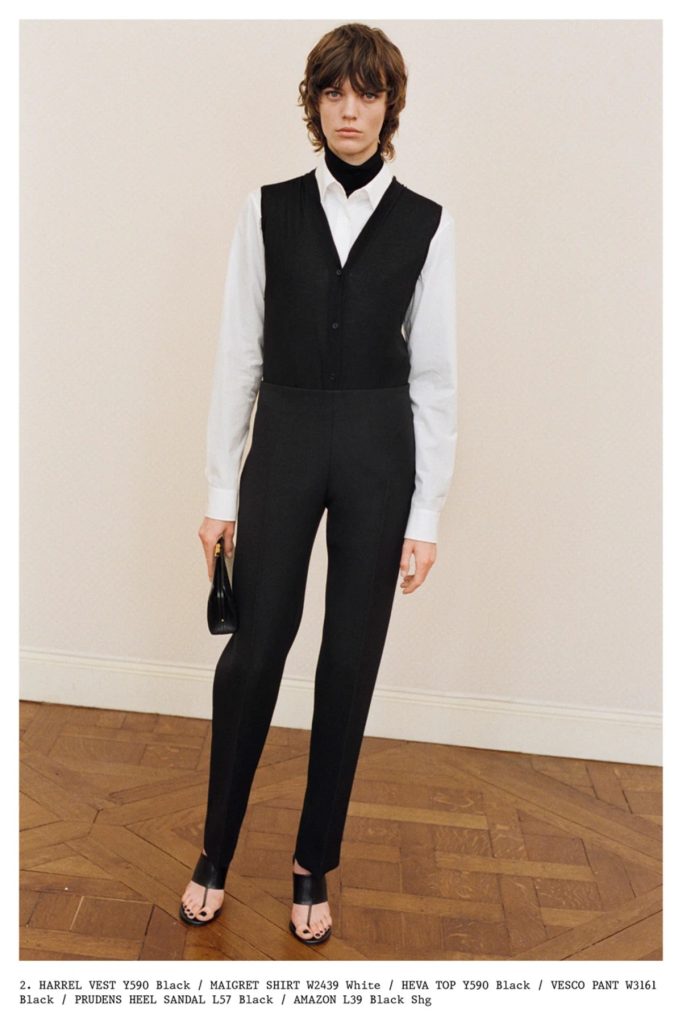
In a market driven by co-branded tie-ups as a reliable income source, The Row has moved in the reverse direction instead. Mary-Kate and Ashley Olsen established the label upon a philosophy of restraint — a discipline that flows through directly into how, or whether, it partners with outside parties. Rival labels pump out capsule collections with footwear labels, artists, or other fashion houses on a quarterly basis, yet The Row has put out hardly any. Rather than an oversight, this scarcity is a intentional strategy — both business and creative — that drives the entirety of how the house runs, from its runway shows to the design of the row bags that anchor its accessories line.

To understand why joint projects are such a rarity at The Row, you have to look at its origins alongside its approach to pricing and the brand’s sustained standing within high-end fashion.

A buzz-chasing brand was never the Olsens’ ambition. What they were after was something more akin to an atelier — hushed, deliberate, and measured in pace on purpose.

The Bedrock Idea: Subtle Extravagance Ahead of Its Naming

The Row launched in 2006, years before “quiet luxury” became a marketing buzzword. From the beginning, the brand prioritized construction quality, fabric sourcing, and understated silhouettes over logos or seasonal gimmicks. This ethos naturally resists the collaboration model, which usually depends on visibility, novelty, and a limited-time sense of urgency.

Collab projects perform best for labels built around the cultural zeitgeist — think sneaker drops or streetwear crossovers that disappear off shelves in moments. In contrast, The Row’s clientele prizes consistency. A shopper with three or four the row handbags on hand isn’t after some co-branded gimmick; they’re looking for another piece that fits seamlessly into a wardrobe built over years, not seasons.

This is one reason why the row bags overview chatter among resellers and stylists hardly ever touches on limited-run releases. The brand’s structural approach to bags — the Margaux, the Bourse, and the Soft Lock — was built to remain fixed rather than the row handbags leather bag seasonal. Permanence and collaboration are, in many ways, structurally at odds.

The brand’s runway shows, part of the official schedule from 2015 onward, nonetheless sidestep dramatic set design and star-studded front-row display so often tied to collaboration announcements typical elsewhere in the industry. The staging remains just as measured as the collection itself.

The Operating Logic Behind Refusing

Limited availability has commercial value, and The Row is attuned to this more astutely than most current houses. Whenever a label partners up too often, its rarefied status diminishes. Resale prices for core items can decline when an oversupply of scarce releases flood the market jockeying for buyer notice. By keeping a tight and consistent offering, The Row has instead shielded the secondhand demand of its signature bag collections.

This matters concretely: the top-performing row bags — mostly the Margaux in its various sizes, as well as the Bourse and Soft Clutch — retain their worth reliably precisely because they don’t get relaunched in dozens of new colorways annually or reworked with a guest designer’s branding fixed to the hardware. Someone buying the row bag now can fairly assume the same silhouette to exist, with little alteration, three years from now.

There’s also a pricing rationale. The line’s bags usually range across the $2,000 to $6,000+ price band according to size, leather, and hardware finish. At that cost level, shoppers pay a premium for longevity and design integrity, instead of a piece of fleeting cultural buzz. An attention-grabbing collab would potentially erode the exact traits buyers pay extra to obtain.

Financially, this approach further cuts down manufacturing complexity. Partnerships demand renegotiated licensing, joint manufacturing coordination, and advertising costs shared across dual identities. The brand’s lean, vertically integrated setup — understood to maintain limited retail doors and a purposefully limited wholesale footprint — isn’t structured for growth of that nature.

The Rare Partnerships That Did Occur

The Row isn’t entirely closed off to collaboration, but these occurrences are scarce yet meaningful. Worth mentioning, the label has now and then dabbled in shoe collaborations and selective sourcing arrangements as opposed to flashy joint fashion ranges. Such efforts tend to be so understated that everyday buyers looking into the row fashion frequently remain unaware that a collaboration took place.

This stands in stark contrast to competitors. High-end labels including Louis Vuitton or Fendi have carried out several headline-making artist and designer partnerships in just one year. In contrast, The Row’s method could produce a single low-key collaboration spread over multiple years — and even in that case, the brand rarely amplifies it with heavy marketing.

This shortage of collab reveals also directly shapes demand patterns during a row sale. Since there isn’t a shifting lineup of limited releases to pursue, sales concentrate shopper focus on staple pieces — namely the tote bag, the Margaux, and its signature outerwear — instead of spreading interest thin over novelty drops.

This consistency has likewise made resale and consignment markets easier to navigate. Buyers searching for where to buy the row Margaux bag on secondary markets can usually count on pricing benchmarks are tied to consistent design language instead of shifting collaboration-driven hype waves.

How the Handbag Lineup Is Shaped By This

Given that collaborations are essentially absent, The Row’s bag design team has been free to hone in on perfecting a limited set of shapes instead of rushing out fresh designs for every marketing cycle. Introduced in 2016, the Margaux is, a decade on, still among the label’s most requested styles — a rare feat in an industry where “it bags” typically cycle out within two or three years.

The Row’s tote offerings follow the same logic. Rather than rolling out a fresh tote shape each season, progress has come slowly, recalibrating dimensions, hardware and strap elements, or leather treatments while keeping the core identity intact. This is a clear break from brands that rely on collaboration-driven tote releases to generate seasonal buzz.

Presented below is a quick comparison of how the label’s bag-release strategy stands apart from a typical collaboration-driven luxury competitor.

Category The Row Conventional Collaboration-Reliant Competitor
Frequency of collaborations Infrequent — occasional, low-visibility partnerships Multiple per year, often high-profile
Core bag silhouette lifespan Often a decade or longer (e.g., Margaux since 2016) Usually redesigned every 2–3 years
Marketing approach Low-key, restrained, with little press push Aggressive campaigns paired with influencer seeding
How steady resale prices remain Generally consistent due to limited new releases Can fluctuate with each new collaboration drop
Where the product is sold Selective, limited doors and e-commerce presence Wide-reaching wholesale and multi-brand placement

This comparison shows why shoppers researching top row bags often encounter a more compact, more consistent lineup compared to competitors — and why that consistency is seen as an asset rather than a drawback.

What This Means for Shoppers in 2026

For anyone shopping The Row in 2026, the practical takeaway is straightforward: don’t anticipate a collaboration-driven release calendar, and build your buying strategy around core pieces rather than waiting for limited editions. The brand’s e-commerce site and select flagship stores remain the safest bet for authentic stock, particularly for sought-after pieces such as the Margaux.

Because production runs are deliberately modest, popular sizes and leathers of the row bag lineup can be depleted and take time to restock. Shoppers serious about acquiring a specific piece should keep a close eye on official sources rather than depending exclusively on third-party resellers, especially when searching for guidance on where to buy the row Margaux bag in a specific size or leather.

Row sale periods, when they occur, tend to focus on ready-to-wear and select accessories rather than deep discounts on the most in-demand bag styles, underscoring the brand’s broader resistance to anything that might dilute perceived value. This is in line with how the brand handles every promotional effort — cautiously and infrequently.

In the end, the scarcity of collaborations tied to The Row isn’t a marketing gap; it serves as the backbone of everything the brand stands for. In a landscape overrun by cross-label noise, the decision to abstain has grown into one of The Row’s most distinctive — and most understatedly successful — calculated moves.

Amiri Clothing Deals Signature Line

How to Buy AMIRI Online and Avoid the Traps

AMIRI is a Los Angeles house whose everyday pieces settle roughly between $420 and $1,300 in observed market listings, which is precisely the band counterfeit sellers work hardest to imitate. The brand sells directly through its own website and through a published list of authorised stockists, and almost everything outside those two groups is worth questioning. Type buy amiri online, amiri clothing, amiri hoodie and amiri men, and the results page blends department stores, marketplace resellers and outright fakes within a few positions of one another. What follows works through the channels one by one and spells out plainly what each of them actually is. Each figure quoted here comes from observed market pricing gathered in 2026 and is not an official price list. The single most useful habit is to verify any unfamiliar seller against the brand’s own published stockists page before entering a card number.

The House’s Own Website

A single official e-commerce operation is run by the house, and it is the only online shop the brand itself controls. Shipping reaches more than two hundred countries and regions, and the full current assortment is carried across men’s, women’s and kids’. Unworn merchandise with tags attached can be sent back within ten days from delivery; final-sale items are excluded. Case by case is how after-sales service and repairs are handled, and only for products bought from that site, with repair fees sometimes charged. Roughly thirty-three physical boutiques are run by the same operation, several still flagged as coming soon on the store locator. The first permanent store opened in 2020 on Rodeo Drive in Beverly Hills; Milan followed as the first permanent European location.

Authorised Multi-Brand Retailers

A stockists page is published by the brand, and every retailer named there holds a direct wholesale relationship with the house. Across the United States the list mixes department stores with specialist boutiques; in Europe it stretches to dozens of accounts, with Italy carrying the longest single-country roster. What makes the list valuable is not lower prices, since at full price these shops are no cheaper, but the fact that their goods are unambiguously genuine. There is one caveat that matters a great deal, which is that the stockists page is not closely maintained. A well-known British retailer that shut amiri jeans men down in 2024 is still named on it, and several shop names are obviously misspelled, which tells you it is handled as marketing copy rather than as a live directory. Read it as a whitelist of names to recognise, and never as proof that a given shop is still trading.

  • Listed on the brand’s own online roster: Mr Porter, SSENSE, Mytheresa, LuisaViaRoma, Browns, END., 24S, Monnier
  • Within the United States: Nordstrom, Saks Fifth Avenue, Neiman Marcus, Bergdorf Goodman, Maxfield, The Webster
  • Further afield: Selfridges, Harrods, Harvey Nichols, Holt Renfrew, Galeries Lafayette

Where Farfetch Fits

Farfetch is the channel that confuses people most, and the honest answer is that it belongs in neither obvious box. It is not named on the brand’s own online stockist list, so calling it an official stockist claims more than the facts allow. It is also not an unauthorised seller, because it operates as a marketplace for boutiques that are themselves named stockists, several of them Italian. What happens in practice is that the garment often ships from a shop with a real wholesale account, while the storefront itself remains unlisted. The nuance is worth holding onto, because most guidance flattens it in one direction or the other. Buying there means one extra step: identify the fulfilling boutique, then check that name against the stockists page.

Off-Price and Sale Channels

Any piece suggesting this brand never discounts is flatly incorrect, and that discounting shapes everything else in the market. Authorised multi-brand retailers mark AMIRI down visibly in season, with observed reductions in the region of forty to seventy percent on jeans, hoodies and outerwear. A jean listed at $1,345 has been seen at $673, and a varsity jacket listed at $2,310 has been seen at $1,155. The off-price arms of established retail groups, including Saks OFF 5TH, carry the label too and sell past-season stock at heavy reductions. Those goods are legitimate, and the seller is a real retailer working through surplus rather than a shadow operation. Emphatically, none of that amounts to a brand outlet, and the whole of the next section rests on the distinction.

The Outlet That Was Never Real

The most important fact in the article comes from the brand itself, in a court filing rather than a commentary. A federal court complaint filed in July 2021 has AMIRI stating that it “does not have an AMIRI outlet store, nor has it ever authorized any person or business to operate such a store.” The suit was brought in the United States District Court for the Central District of California against an internet service provider the brand alleged was knowingly hosting a counterfeit-selling site styling itself as an AMIRI outlet. Branding itself an “Official Discount Store” and advertising “100% Original Products”, the site claimed to stock more than a hundred authentic pieces at heavy discounts. A voluntary dismissal came in September 2021, most probably on settlement; the brand’s statement still stands on the record. So there is no official outlet anywhere, in either form. By definition, any storefront presenting itself as an AMIRI outlet is not the brand, and that single test disqualifies it before you look at anything else.

How a Fake Outlet Site Announces Itself

These storefronts share a template, and once you have seen the pattern it is hard to unsee. The tells below are drawn from the documented 2021 case and from the general shape of such operations, and they are characterised rather than identified, because naming a domain sends traffic to it. On its own no single item proves anything; three or four at once are decisive. The strongest test is still absence from the brand’s published stockists page, and carrying it out takes about fifteen seconds. The second strongest is the discount pattern, because no authorised channel cuts current-season stock across every category at once. Read the checkout page as carefully as the product page, since payment handling is where these operations most often give themselves away.

  1. A domain assembled from the brand name plus a trust word such as outlet, official, shop, store or sale
  2. Badges the site awards itself: “Official Site”, “Official Discount Store”, “100% Original Products”, “Authentic Guaranteed”
  3. Reductions of fifty to eighty percent applied everywhere, sweeping in current-season pieces
  4. An improbably deep catalogue shown through scraped official campaign photography
  5. Nothing on the stockists page, and no verifiable company registration, address or telephone number
  6. Countdown timers, “only two left” mechanics, and a payment processor whose name does not match the shop

Channel Comparison

The table sets the channels side by side on the two questions that matter: whether the goods are certainly genuine, and what you can expect to pay against full price. The pricing column describes observed behaviour in 2026 and is not an official price list. Authentication risk here is a verdict on the channel rather than a promise about any individual shop inside it. Verification by the brand covers only products bought directly from it or from an authorised stockist partner, and it says plainly that items bought outside those channels fall outside what it can confirm. That policy is why provenance beats micro-inspection of stitching as the thing to optimise for. Treat the final row as an absolute, not as a caution.

Route What it is Pricing observed Authentication risk
Brand’s own website Official, and the only one Full price None
Authorised stockists named on the list Official wholesale Full price, then seasonal sale As low as it gets short of none
Farfetch A marketplace hosting stockist boutiques Full price as well as sale Low, though the fulfilling boutique is worth checking
Retail groups’ off-price divisions Legitimate, past-season stock Marked down 40 to 70 percent Low
Resale platforms Peer-to-peer Often below retail Real, and different from platform to platform
Every self-styled outlet No such thing exists Beside the point Total

A Pre-Checkout Routine

None of this needs to be complicated, and the whole check takes less time than choosing a size. First ask whether the shop’s name appears on the brand’s published stockists page; a marketplace brings one further question about who is fulfilling the order. Turn then to the discount, since current-season amiri jeans at seventy percent off from an unfamiliar storefront reads as a signal rather than a bargain. Confirm that the stated country of origin is plausible for the style, because origin varies by product and a mismatch is among the more reliable red flags. Save the order confirmation and the invoice, because the brand’s verification policy runs on proof of purchase. If a site describes itself as an outlet, close the tab.

What Is Valley Dreams Brand Y2K Streetwear Vibe

Vale Forever: In-Depth Review, Sizing Advice, and Premium Limited Collections

Vale Forever unites high-end minimalism alongside streetwear comfort, established on oversized cuts and limited-run development. This guide delivers a grounded evaluation, precise sizing methodology, and the special releases that most effectively express the brand’s DNA.

The brand thrives in that scarce realm where crisp design connects to genuine usability. Pieces feel purposeful rather than contemporary, and the visual language stays uniform across seasons: muted palettes, subtle branding, and a concentration on shape. If you appreciate uniformity in a wardrobe and care how garments age over time, the label Forever reads similar to a considered purchase rather than a chase for brands.

What characterizes Vale Forever’s essence?

It’s a modern streetwear label including luxury-inspired finishing, subdued color stories, with signature oversized cuts, produced in exclusive drops with thoughtful intent. The central philosophy is durability without compromising edge.

Vale Forever avoids loud graphics but leans into fabric, drape, and proportion. The designer’s angle of view appears in restrained details: tonal embroidery in place of high-contrast graphics, subtle hardware, plus seam placements to shape the profile without shouting. The color selection generally falls within natural tones, dark grays, and cream shades which coordinate well together, which explains how the pieces integrate across collections. Since releases stay small and evolving, the wardrobe forms like a unified system rather than random flow of disconnected garments.

Material, build quality, and finishing: how the garments truly feel

Materials present like premium with a smooth hand, and the construction is clean and consistent, matching boutique-level standards. Details are minimalist, allowing the pattern and material do the speaking.

On the person, you experience heft and foundation without stiffness, to creates hoodies and tees their characteristic hang. Seams are tidy with straight stitching and even distribution, and ribbing keeps shape rather instead of spreading after multiple few wears. Hardware, details, and branding remain discreet and coordinated. The overall feeling is restrained assurance: it’s not focused on novelty techniques, the focus is about getting basic essentials right plus keeping them reliable across the range.

Sizing approach: oversized executed with purpose

Designs focus on breadth and drape rather than length to establish volume that valley streetwear shirt drapes precisely instead over billowing. The outcome becomes oversized that feels intentional, not unstructured.

Main cuts stay structured up top with subtly relaxed shoulders and proportioned body length, to keeps the edge from consuming the hips. Sleeves carry a touch of more length and ease to stack naturally. Bottoms favor straight or mildly wide with a precise fall; they skip excessive bagginess while preserve the aesthetic current. Sizing reliability is a major point: once you locate your ideal size in one piece or bottom, you can anticipate the comparable silhouette in other items with small, deliberate adjustments for construction and purpose.

How should you select your size?

Pick your usual size for a comfortable silhouette, drop down one for a tidier look, or up one for exaggerated volume. Allow shoulder measurement, torso length, with layering intentions to the ultimate decision.

Commence by assessing your go-to top or hoodie positioned flat: shoulder measurement, chest span, plus back length. Compare those proportions to how the brand’s Forever garments are described, prioritizing shoulder fit and length first. If you desire a neat, compact-boxy top that yet appears contemporary, size down one from your usual; when you intend on layer medium-weight pieces underneath or desire an amplified urban aesthetic, size up. For pants, remain true to standard for straight-neat, size up if one desire additional movement and bunching, especially with bulkier footwear.

Applied sizing chart for standard scenarios

Use this guide to translate the usual mainstream measurements into a brand Forever size based on the look you want. When in uncertainty between two choices, prioritize shoulder fit for tops plus waistband practicality with trousers.

Your regular mainstream size Clean/Neater silhouette Relaxed (brand-intended) Exaggerated/Statement
XS XS S M
S XS S M
M S M L
L M L XL
XL L XL XXL

The table shows the brand’s oversized bias: relaxed is the intended foundation, clean lands 1 step down, with statement sits 1 step up. For long bodies, check back measurement and hem line; a shorter garment with the correct shoulders often appears sharper than the longer size to drags. For broader chests and narrow waists, prioritize shoulder measurement and let that body volume hang; the straight bottom complements that shape. Shoe selection additionally affects the bottom choice: a fuller leg appears appropriate with chunkier sneakers, while straight-neat coordinates well with slimmer profiles.

Care, layering, and maintenance: maintain the silhouette you selected

Clean cold, line dry, and press lightly instead of hot ironing to preserve drape and tone richness. Predict minor form modification if you avoid heat with over-processing.

Intense heat affects rib flexibility while can compress fabric structure, which changes the fit via minor but visible ways. Chilly cycles plus mild programs keep the surface quality and decrease wear. Hang-dry hoodies with tees by garment body rather instead of the shoulders and prevent stretching; keep knits instead rather than hanging for long-term storage. Layer midweights under outerwear rather over stacking heavy-on-heavy, that keeps the aesthetic intentional and your garments breathing effectively. If your garment is garment-dyed, wash with matching tones at first for avoid bleeding when the dye stabilizes.

Investment and longevity: where the price proves reasonable

The value exists in pattern accuracy, fabric hand-feel, with a design language that won’t appear dated in a year. If you wear your staples frequently, the cost-per-wear decreases rapidly.

As the label commits to one consistent silhouette across releases, garments across separate drops complement each other over of being disconnected trends. The restrained palette forms a uniform that can shift casual or refined with subtle aesthetic modifications. Construction choices focus on reliability instead of spectacle, which represents exactly what you want in regular drivers. Reselling isn’t the main strategy in this case; longevity and regular use are. If you value a tight rotation over a large closet, this represents a brand in which two or three well-chosen items may anchor months of outfits.

Styling advice: making clean pieces perform better

Offset volume against structure, keep colors harmonious, and use material contrasts to establish depth. Minor scale adjustments provide the largest impact.

Combine oversized pieces with straight and subtly tapered pants to avoid sacrificing leg form, otherwise flip the formula with a tidy top and one looser trouser for a current silhouette. Remain with pair or three tones across the outfit and permit texture contrast—smooth jersey versus brushed twill, smooth poplin under textured knit—manage the styling. Cuffs and hems matter: a soft sleeve stack creates intention, while single clean half-tuck may reframe the squareness of a top. Accessories should keep minimal and useful; a compact bag or a simple cap aligns with the brand’s understated approach. Shoe options are wide, but chunkier bottoms suit the flow especially nicely.

Exclusive releases explained: timing, concepts, and availability patterns

Collections are limited, theme-based capsules to shift colors and fabrics more instead of graphics. Sellouts usually happen by size initially, not instantly across the board.

The label chooses collection narratives—consider a single-color series, single seasonal material concentration, or a revision of a central cut. Anticipate minor refinements in cut or details rather over complete overhauls; those small evolutions are components of the slow-fashion philosophy. Sizes with the strongest demand generally sell first, therefore your purchase point is less about buzz and rather about size options. Since color ranges are controlled, fresh releases blend smoothly alongside previous ones, to means fewer isolated pieces. If you lose a tone, single near match frequently comes back in one later drop.

The best limited drops to track right now

Prioritize cornerstone silhouettes that embody that brand’s identity: an oversized hoodie, a boxy tee, the straight-leg cargo, one liner-style jacket, and the soft-tailored pant. These pieces carry the most aesthetic range and typically to define individual capsule.

The oversized sweatshirt is the cornerstone: it establishes that flow benchmark plus grounds both easy and refined looks. A structured shirt in a muted color becomes a base layer you choose three instances a week minus thinking. Straight-leg cargos plus utility trousers bring structure and dynamic while staying sharp enough for a clean sneaker or a pared-back dress shoe. A quilted or liner-inspired jacket works over tees plus under coats, bringing texture without bulk. Easy-tailored trousers—in wool blends or clean cottons when accessible—link the divide linking street and refined, working as easily with a sweatshirt as with a clean button-up. If your budget or closet capacity is restricted, getting one garment within this collection per season will manage most styling with minimal duplication.