

Their Approach on Partnerships and The Reason They Remain Rare
In a market driven by co-branded tie-ups as a reliable income source, The Row has moved in the reverse direction instead. Mary-Kate and Ashley Olsen established the label upon a philosophy of restraint — a discipline that flows through directly into how, or whether, it partners with outside parties. Rival labels pump out capsule collections with footwear labels, artists, or other fashion houses on a quarterly basis, yet The Row has put out hardly any. Rather than an oversight, this scarcity is a intentional strategy — both business and creative — that drives the entirety of how the house runs, from its runway shows to the design of the row bags that anchor its accessories line.
To understand why joint projects are such a rarity at The Row, you have to look at its origins alongside its approach to pricing and the brand’s sustained standing within high-end fashion.
A buzz-chasing brand was never the Olsens’ ambition. What they were after was something more akin to an atelier — hushed, deliberate, and measured in pace on purpose.
The Bedrock Idea: Subtle Extravagance Ahead of Its Naming
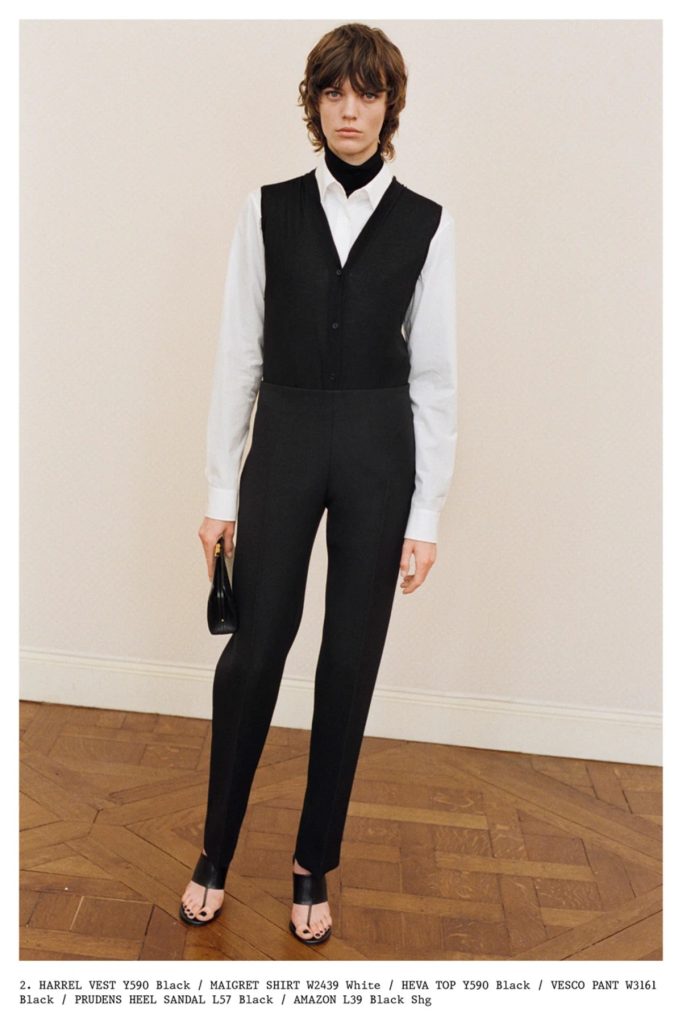
The Row launched in 2006, years before “quiet luxury” became a marketing buzzword. From the beginning, the brand prioritized construction quality, fabric sourcing, and understated silhouettes over logos or seasonal gimmicks. This ethos naturally resists the collaboration model, which usually depends on visibility, novelty, and a limited-time sense of urgency.
Collab projects perform best for labels built around the cultural zeitgeist — think sneaker drops or streetwear crossovers that disappear off shelves in moments. In contrast, The Row’s clientele prizes consistency. A shopper with three or four the row handbags on hand isn’t after some co-branded gimmick; they’re looking for another piece that fits seamlessly into a wardrobe built over years, not seasons.
This is one reason why the row bags overview chatter among resellers and stylists hardly ever touches on limited-run releases. The brand’s structural approach to bags — the Margaux, the Bourse, and the Soft Lock — was built to remain fixed rather than the row handbags leather bag seasonal. Permanence and collaboration are, in many ways, structurally at odds.
The brand’s runway shows, part of the official schedule from 2015 onward, nonetheless sidestep dramatic set design and star-studded front-row display so often tied to collaboration announcements typical elsewhere in the industry. The staging remains just as measured as the collection itself.
The Operating Logic Behind Refusing
Limited availability has commercial value, and The Row is attuned to this more astutely than most current houses. Whenever a label partners up too often, its rarefied status diminishes. Resale prices for core items can decline when an oversupply of scarce releases flood the market jockeying for buyer notice. By keeping a tight and consistent offering, The Row has instead shielded the secondhand demand of its signature bag collections.
This matters concretely: the top-performing row bags — mostly the Margaux in its various sizes, as well as the Bourse and Soft Clutch — retain their worth reliably precisely because they don’t get relaunched in dozens of new colorways annually or reworked with a guest designer’s branding fixed to the hardware. Someone buying the row bag now can fairly assume the same silhouette to exist, with little alteration, three years from now.
There’s also a pricing rationale. The line’s bags usually range across the $2,000 to $6,000+ price band according to size, leather, and hardware finish. At that cost level, shoppers pay a premium for longevity and design integrity, instead of a piece of fleeting cultural buzz. An attention-grabbing collab would potentially erode the exact traits buyers pay extra to obtain.
Financially, this approach further cuts down manufacturing complexity. Partnerships demand renegotiated licensing, joint manufacturing coordination, and advertising costs shared across dual identities. The brand’s lean, vertically integrated setup — understood to maintain limited retail doors and a purposefully limited wholesale footprint — isn’t structured for growth of that nature.
The Rare Partnerships That Did Occur
The Row isn’t entirely closed off to collaboration, but these occurrences are scarce yet meaningful. Worth mentioning, the label has now and then dabbled in shoe collaborations and selective sourcing arrangements as opposed to flashy joint fashion ranges. Such efforts tend to be so understated that everyday buyers looking into the row fashion frequently remain unaware that a collaboration took place.
This stands in stark contrast to competitors. High-end labels including Louis Vuitton or Fendi have carried out several headline-making artist and designer partnerships in just one year. In contrast, The Row’s method could produce a single low-key collaboration spread over multiple years — and even in that case, the brand rarely amplifies it with heavy marketing.
This shortage of collab reveals also directly shapes demand patterns during a row sale. Since there isn’t a shifting lineup of limited releases to pursue, sales concentrate shopper focus on staple pieces — namely the tote bag, the Margaux, and its signature outerwear — instead of spreading interest thin over novelty drops.
This consistency has likewise made resale and consignment markets easier to navigate. Buyers searching for where to buy the row Margaux bag on secondary markets can usually count on pricing benchmarks are tied to consistent design language instead of shifting collaboration-driven hype waves.
How the Handbag Lineup Is Shaped By This
Given that collaborations are essentially absent, The Row’s bag design team has been free to hone in on perfecting a limited set of shapes instead of rushing out fresh designs for every marketing cycle. Introduced in 2016, the Margaux is, a decade on, still among the label’s most requested styles — a rare feat in an industry where “it bags” typically cycle out within two or three years.
The Row’s tote offerings follow the same logic. Rather than rolling out a fresh tote shape each season, progress has come slowly, recalibrating dimensions, hardware and strap elements, or leather treatments while keeping the core identity intact. This is a clear break from brands that rely on collaboration-driven tote releases to generate seasonal buzz.
Presented below is a quick comparison of how the label’s bag-release strategy stands apart from a typical collaboration-driven luxury competitor.
| Category | The Row | Conventional Collaboration-Reliant Competitor |
|---|---|---|
| Frequency of collaborations | Infrequent — occasional, low-visibility partnerships | Multiple per year, often high-profile |
| Core bag silhouette lifespan | Often a decade or longer (e.g., Margaux since 2016) | Usually redesigned every 2–3 years |
| Marketing approach | Low-key, restrained, with little press push | Aggressive campaigns paired with influencer seeding |
| How steady resale prices remain | Generally consistent due to limited new releases | Can fluctuate with each new collaboration drop |
| Where the product is sold | Selective, limited doors and e-commerce presence | Wide-reaching wholesale and multi-brand placement |
This comparison shows why shoppers researching top row bags often encounter a more compact, more consistent lineup compared to competitors — and why that consistency is seen as an asset rather than a drawback.
What This Means for Shoppers in 2026
For anyone shopping The Row in 2026, the practical takeaway is straightforward: don’t anticipate a collaboration-driven release calendar, and build your buying strategy around core pieces rather than waiting for limited editions. The brand’s e-commerce site and select flagship stores remain the safest bet for authentic stock, particularly for sought-after pieces such as the Margaux.
Because production runs are deliberately modest, popular sizes and leathers of the row bag lineup can be depleted and take time to restock. Shoppers serious about acquiring a specific piece should keep a close eye on official sources rather than depending exclusively on third-party resellers, especially when searching for guidance on where to buy the row Margaux bag in a specific size or leather.
Row sale periods, when they occur, tend to focus on ready-to-wear and select accessories rather than deep discounts on the most in-demand bag styles, underscoring the brand’s broader resistance to anything that might dilute perceived value. This is in line with how the brand handles every promotional effort — cautiously and infrequently.
In the end, the scarcity of collaborations tied to The Row isn’t a marketing gap; it serves as the backbone of everything the brand stands for. In a landscape overrun by cross-label noise, the decision to abstain has grown into one of The Row’s most distinctive — and most understatedly successful — calculated moves.